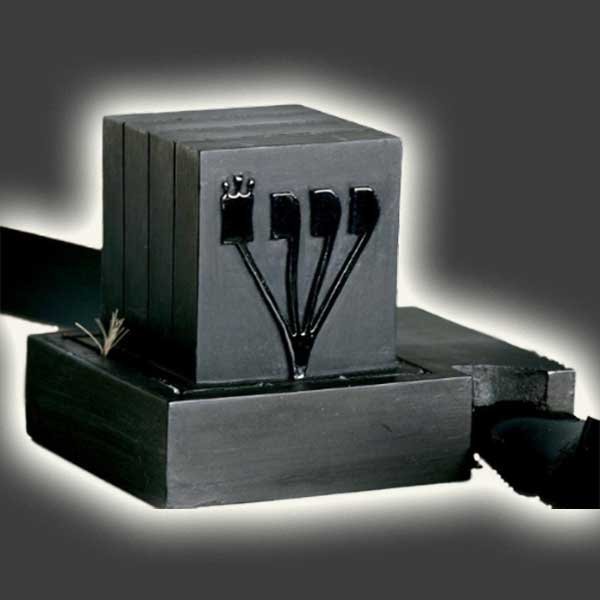
The Art of Writing Tefilines: The Secrets of the Sofer Stam
Introduction
Behind every Tefilines case lies a work of surgical precision and immense spiritual fervor. The Sofer Stam (professional scribe of Sifrei Torah, Tefilines and Mezouzot) is not just a calligrapher; he is a craftsman of the sacred whose every stroke is governed by millennia-old laws. A dive into the secrets of this extraordinary métier.
The Scribe’s Tools: Between Tradition and Nature
To write Tefilines, no modern industrial materials are used. Everything must be natural and pure:
- The Parchemin (Klaf): It comes exclusively from the hide of a pure animal (Kosher). It is treated and polished to offer a smooth surface capable of lasting for centuries.
- The Calamus (Koulmous): Traditionally, the Sofer carves his own nib in a reed or a goose feather. The size of the tip determines the finesse of the writing.
- The Ink (Diyo): A deep black ink, made from natural components, which must be indelible and never flake.
The Spiritual Preparation: Writing with the Soul
Tefilines writing does not begin with the pen, but with intention (Kavana). Before starting his day, the Sofer often goes to the Mikveh to purify himself.
Each time he is about to write the Name of God, he must pronounce a sacred formula: “I am about to write this Name for the holiness of the Name of God”. If he forgets this declaration, the entire parchment becomes invalid (Pasul), even if the writing is perfect.
The Halakha of Writing: No Mistakes Allowed
Unlike a standard book, Tefilines must be written “Kissidran” (in order). This means a missed letter cannot be corrected after continuing the writing. If an error is discovered at the end of the chapter, the parchment cannot be repaired; it must be laid in the Guéniza.
Calligraphy Styles
- Beit Yosef: The traditional writing of Ashkenazi communities.
- Arizal: A Kabbalistic variant used mainly by the Hasidic movement.
- Vellich: The elegant and more rounded writing of Sephardic communities.
Why choose a trusted Sofer?
Since it is impossible to see the contents of the parchments once the cases are closed, the user relies entirely on the integrity (Yirat Chamaim) of the scribe. A certified Sofer does not just sell a object; he guarantees that the Mitzvah you perform every morning is valid according to Jewish Law.
FAQ: The Sofer Profession
How long does it take to write Tefilines?
Writing the four parshiyot of the arm and head generally takes between 10 and 15 hours of uninterrupted work for an experienced scribe.
Can a Sofer be left-handed?
Yes, but this influences how he should carve his nib and the direction of certain strokes to comply with Halakhic calligraphy rules.
How to become a Sofer Stam?
Many years of study of complex laws (Kesset Hassofre) and obtaining certification (Smikha) from a recognized rabbinic authority after rigorous examinations.
Conclusion
The art of the Sofer Stam is a bridge between the material world and spirituality. Each letter is a receptacle of divine light. By choosing Tefilines written with care and piety, you bind not only your arm and heart to the Creator, but you also perpetuate a chain of transmission that goes back to Mount Sinai.
{“@context”:”https://schema.org”,”@type”:”FAQPage”,”mainEntity”:[{“@type”:”Question”,”name”:”How long does it take to write Tefilines?”,”acceptedAnswer”:{“@type”:”Answer”,”text”:”Writing the four parshiyot of the arm and head generally takes between 10 and 15 hours of uninterrupted work for an experienced scribe.”}},{“@type”:”Question”,”name”:”Can a Sofer be left-handed?”,”acceptedAnswer”:{“@type”:”Answer”,”text”:”Yes, but this influences how he should carve his nib and the direction of certain strokes to comply with Halakhic calligraphy rules.”}},{“@type”:”Question”,”name”:”How to become a Sofer Stam?”,”acceptedAnswer”:{“@type”:”Answer”,”text”:”Many years of study of complex laws (the Kesset Hassofre) and obtaining certification (Smikha) from a recognized rabbinic authority after rigorous examinations.”}}]}