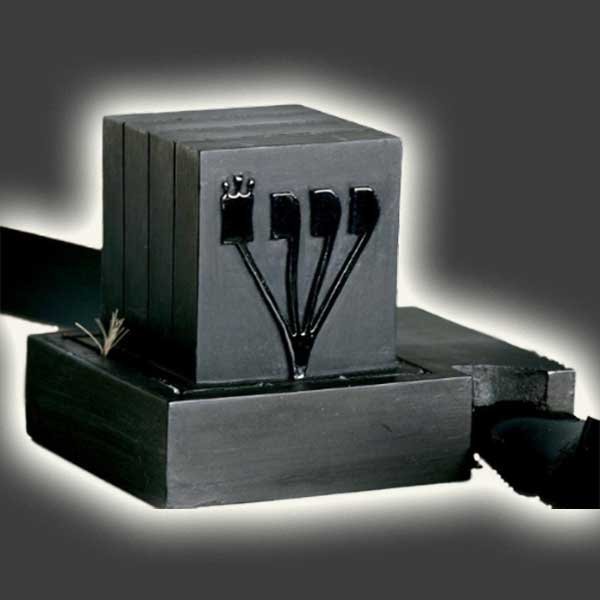
Can Tefilines be purchased with Maasser money?
Introduction
The gift of Maasser Kesafim (the tithe of personal income) is one of the pillars of solidarity within the Jewish people, primarily serving to support the poor and the study of the Torah. However, a question often arises when it comes to investing in one’s own sacred objects: can this money be used to buy a high-quality pair of Tefilines or Mezuzot?
The basic rule: Mitzva vs Maasser
Halacha establishes a fundamental distinction: one cannot use Maasser money to fulfill a personal obligation (Chovah) that concerns us personally.
Since every Jewish man is obligated to possess and wear Tefilines, the base cost of this Mitzva must be funded by his own personal income, and not by the charity fund. Using Maasser for a personal obligation would be like “paying one’s debts” with the money of the poor.
The exception: The transition to the “Mehoudar”
If the rule prohibits paying the base price with Maasser, many decisors (Poskim) allow using this money for the price difference between a standard pair (Kacher) and a high-quality pair (Mehoudar).
- Example: If a kosher tefillin pair costs €500 and you wish to acquire a superior quality pair (Gassot, scrolls by a renowned sofer) at €800, you could potentially use €300 of your Maasser to fund this surplus of beauty and sanctity (Hidour Mitzva).
Which objects are involved?
This rule does not apply only to Tefilines. It also applies to:
- The Mezuzot: Buy larger or more beautiful scrolls.
- The Lulav and Etrog: To obtain a flawless fruit.
- The Tallit: For better woven quality.
The special case of children
During the Bar Mitzvah, purchasing the first pair of Tefilines is often a significant expense. If the parents have financial difficulties, some rabbis permit using part of the Maasser, because the child is not yet “obligated” before his Bar Mitzva, and it helps the family introduce the young boy to the practice in a dignified way. However, each case requires a specific rabbinic consultation.
FAQ: Practical questions
Can I buy a Torah scroll with my Maasser?
Yes, provided you lend it to others or make it available to the community, as it becomes an act of disseminating knowledge.
And for Mezuzot for a new apartment?
The obligation to affix Mezuzot is tied to the dwelling. The base price should be paid by you, but the surplus for more prestigious scrolls can come from Maasser.
How to calculate my Maasser?
Maasser represents 10% of your net income after taxes and professional expenses. It is advised to keep a dedicated ledger for this accounting.
Conclusion
Maasser money is a sacred deposit destined for Ts’daka. If it cannot replace our personal budget for mandatory Mitzvot, it remains a wonderful tool to elevate spiritually by acquiring objects more “Mehoudar”. In any case, for a rigorous application to your situation, feel free to ask your Rav.
{“@context”:”https://schema.org”,”@type”:”FAQPage”,”mainEntity”:[{“@type”:”Question”,”name”:”Puis-je acheter un livre de Torah avec mon Maasser ?”,”acceptedAnswer”:{“@type”:”Answer”,”text”:”Oui, à condition de le prêter à d’autres ou de le mettre à disposition de la communauté, car cela devient alors un acte de diffusion du savoir.”}},{“@type”:”Question”,”name”:”Et pour les Mezouzot d’un nouvel appartement ?”,”acceptedAnswer”:{“@type”:”Answer”,”text”:”L’obligation de mettre des Mezouzot est liée à l’habitation. La base du prix doit être payée par vous, mais le surplus pour des parchemins plus prestigieux peut provenir du Maasser.”}},{“@type”:”Question”,”name”:”Comment calculer mon Maasser ?”,”acceptedAnswer”:{“@type”:”Answer”,”text”:”Le Maasser représente 10 % de votre revenu net après impôts et dépenses professionnelles. Il est conseillé de tenir un carnet dédié à cette comptabilité.”}}]}